Pest control service columbia delivers scientific perimeter remediation and structural exclusion across the Midlands to resolve active residential insect and rodent activity. Homeowners encountering wood-boring insects, attic rodent movements, or exterior biting pests require systematic treatments calibrated to the local climate.

Pest control service in columbia is a professional structural inspection, biological eradication, and exterior perimeter barrier application designed to eliminate active insect and rodent colonies while safeguarding residential dwellings throughout Richland County.
Every service reflects the same meticulous attention to detail, whether it's a single job or a larger pest control service project across columbia.
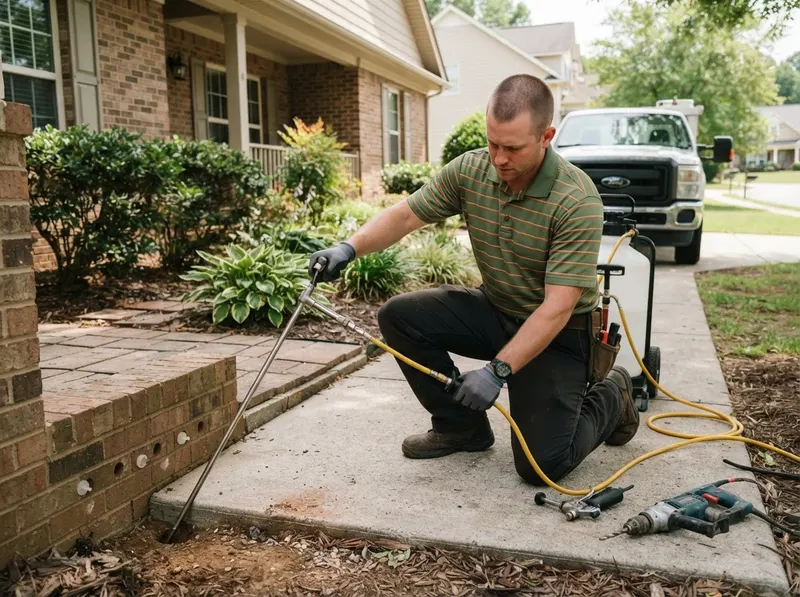
Subterranean termite management targets Eastern subterranean colonies ( Reticulitermes flavipes ) that nest within damp soil and construct vertical earthen shelter tubes over masonry piers to consume structural softwood framing. Technicians trench foundation soil along exterior grade perimeters to a depth of six inches, rodding non-repellent liquid termiticides such as fipronil into crawlspace footings at a rate of four gallons per ten linear feet to ensure biological transfer throughout the subterranean colony. Structural moisture assessments utilizing calibrated pinless moisture meters identify wood-to-ground contact zones and plumbing leaks beneath subflooring that register above nineteen percent wood moisture content, which routinely attracts swarming reproductive alates during South Carolina spring warming cycles. Interior treatment protocols include drilling expansion joints along attached garage slabs and rear patios to inject pressurized protective chemical barriers beneath solid concrete foundations. Continuous subterranean monitoring stations are installed at ten- to fifteen-foot intervals around the property perimeter to intercept foraging worker termites before they locate architectural timbers.
Get a quote →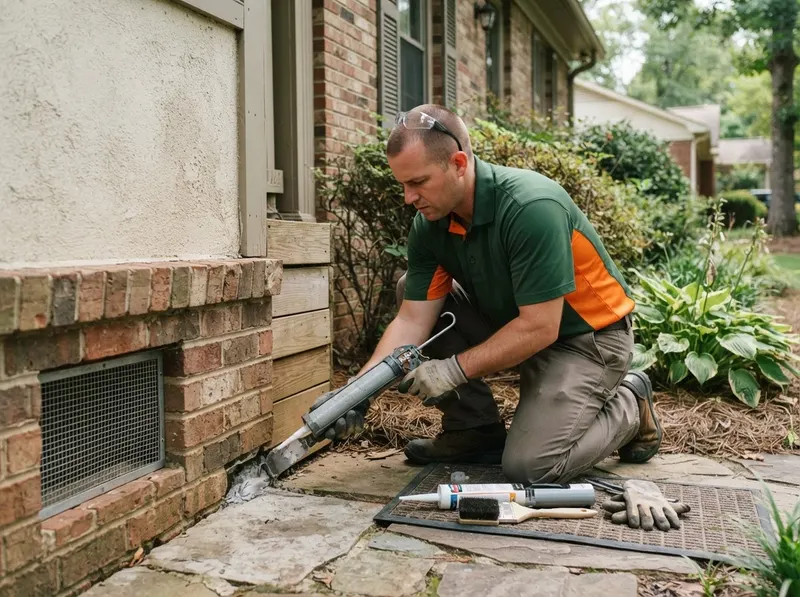
Rodent exclusion remediates roof rats ( Rattus rattus ) and house mice (Mus musculus) that exploit unsealed crawlspace vents, architectural roof returns, and utility wall penetrations to nest within attic insulation. Technicians seal all exterior structural voids larger than one-quarter inch using heavy-gauge galvanized 23-gauge hardware cloth and non-toxic elastomeric polymeric sealants, preventing gnawing pests from re-entering interior soffits and wall voids. Mechanical indoor capture devices eliminate trapped rodents without secondary chemical exposure or rodenticide risks to non-target domestic animals, followed by targeted vacuuming and biological sanitization of hazardous nesting debris and localized pheromone trails. Attic crawl runs and insulation beds are inspected for urine mapping and gnawed electrical conduits that present potential domestic fire hazards. Exterior exclusion encompasses installing custom steel flashing around chimney chase skirts, garage door threshold sweeps, and copper mesh stuffing within vertical brick weep holes.
Get a quote →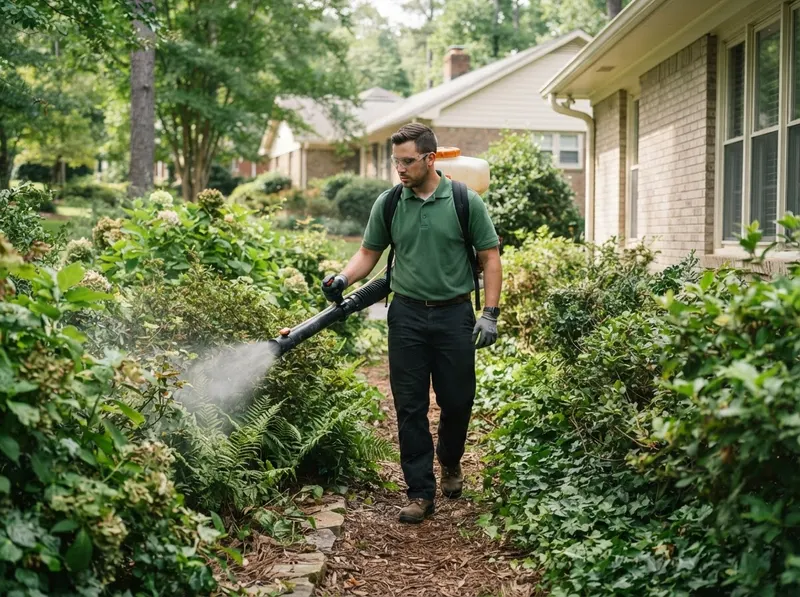
Mosquito suppression targets outdoor breeding populations of Asian tiger mosquitoes ( Aedes albopictus ) by treating daytime foliage harborage zones and damp, shaded resting sites across residential properties. Backpack mist applications apply micro-encapsulated adulticides and biological insect growth regulators to the undersides of broadleaf shrubs, groundcovers, and deck perimeters on recurring 21- to 30-day schedules. Concurrently, standing water reservoirs, rain gutters, and landscape drainage catch basins are treated with bacterial larvicides containing Bacillus thuringiensis israelensis to interrupt larval maturation before winged emergence. Technicians map local thermal air movements and water collection areas across property margins to apply residual barriers along exterior property lines without contaminating blooming flora or home vegetable plots. This multi-stage mitigation significantly reduces localized adult biting density and prevents eggs laid in organic debris from hatching following summer rain downpours.
Get a quote →
Cockroach remediation eliminates both moisture-driven American cockroaches (Periplaneta americana) entering from exterior pine straw beds and prolific German cockroaches ( Blattella germanica ) colonizing kitchen appliance voids and commercial food preparation tables. Technicians apply targeted precision baits containing hydramethylnon, indoxacarb, or abamectin directly into unexposed cabinetry gaps, electrical motor housings, and plumbing pipe sleeves, keeping primary living spaces entirely clear of broad-spectrum aerosol sprays. Structural sealing around kitchen drain collars and moisture mitigation beneath sinks prevent reinfestation across residential living quarters. Follow-up visits monitor insect growth regulators that disrupt chitin synthesis, terminating nymph development and preventing mature females from generating viable egg capsules known as oothecae. Vacuum removal using sealed HEPA filtration eliminates active allergen reservoirs and insect droppings trapped within hidden baseboard crevices.
Get a quote →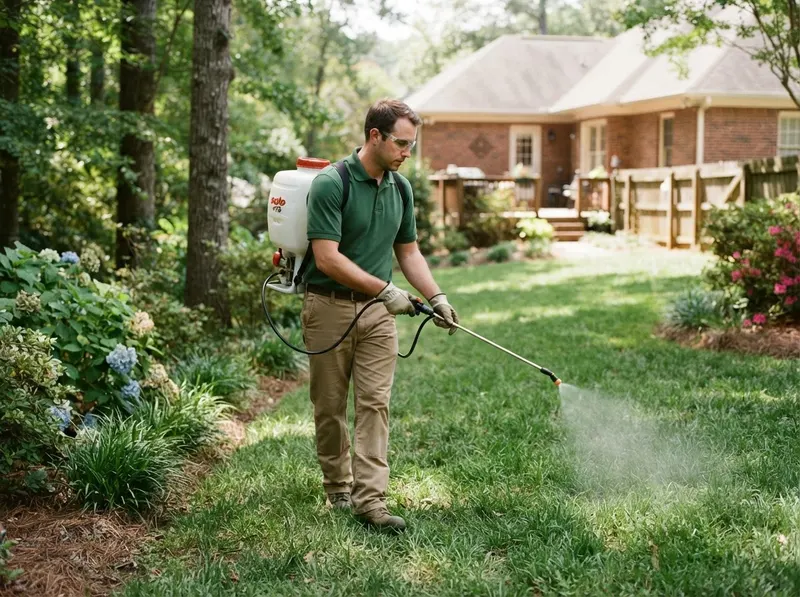
Tick management establishes a continuous protective boundary across transition areas between manicured turf grass, ornamental groundcovers, and peripheral hardwood boundaries where blacklegged ticks and lone star ticks wait for residential hosts. Technicians apply targeted liquid acaricides to leaf litter perimeters, pine straw beds, and low-hanging woodland margins to neutralize questing ticks on contact according to guidelines from the TickEncounter Resource Center . Regular seasonal treatments disrupt active developmental stages from nymphs to adults, mitigating transmission vectors for regional pathogens while maintaining yard usability for families and household pets. Specialized granular treatments are broadcast into low-lying dense groundcovers where liquid mists cannot penetrate dry ground litter, creating a multi-tiered surface layer that remains active through moderate rainfall cycles. Perimeter landscape buffer audits advise property owners on clearing overgrown brush, relocating woodpiles, and managing wild host runways.
Get a quote →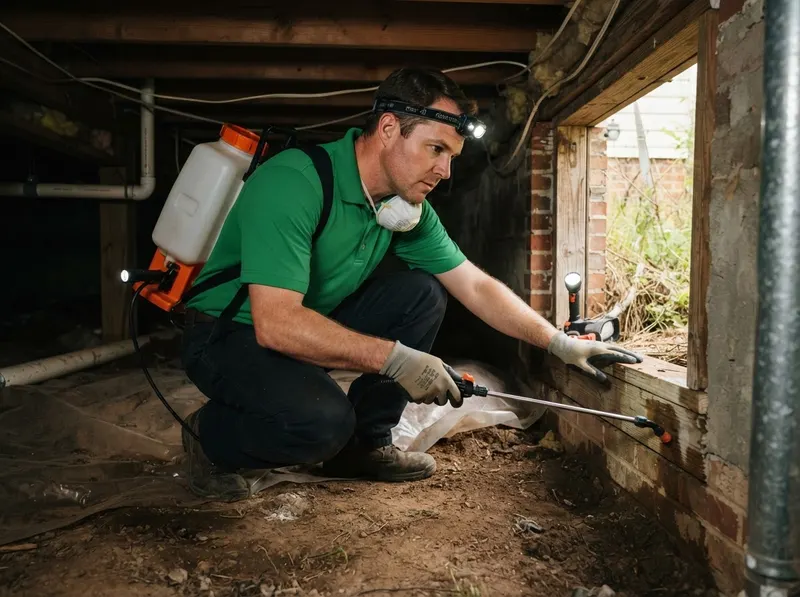
Crawlspace barrier remediation addresses the damp substructural environments characteristic of historic brick-pier and modern curtain-wall foundation homes throughout the Midlands. Technicians clean out pest harborage debris, inspect foundational sills for moisture-loving wood-decay insects, and apply localized inorganic micro-dusts containing dry silica or boric acid into structural foundation voids and hollow masonry blocks. Installing durable ten- to twelve-mil polyethylene vapor barrier overlaps and securing crawlspace access doors prevents subterranean insects, silverfish, and wandering spiders from transitioning through subfloors into living spaces. Foundation vents are inspected and outfitted with corrosion-resistant brass or stainless steel screening to promote cross-ventilation while excluding scavenging outdoor pests. Where ground dampness threatens floor joist integrity, technicians provide relative humidity readings and recommend supplemental drainage or crawlspace dehumidification to keep joist moisture content below fifteen percent.
Get a quote →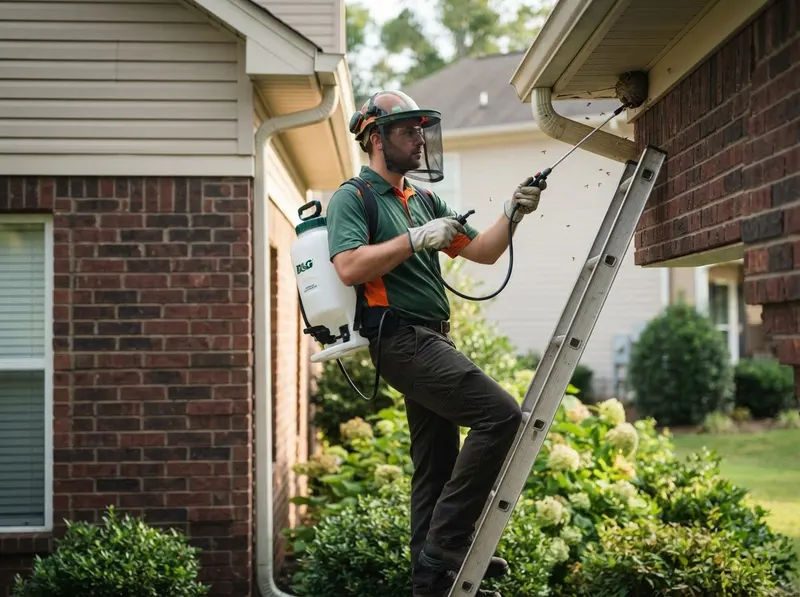
Stinging insect remediation safely neutralizes and removes aerial nests established by paper wasps (Polistes metricus), bald-faced hornets ( Dolichovespula maculata ), and subterranean yellowjacket colonies built into soffits, eaves, and ground voids. Technicians use specialized telescoping extension equipment and protective canvas bee suits to apply localized botanical pyrethrin dusts directly into nest entrance corridors, achieving immediate colony cessation without airborne chemical drift. Once activity terminates, technicians physically detach the nest structure, scrape attachment points smooth, and treat the anchoring surface with repellent micro-encapsulated residuals to prevent recurring nest construction. Underground yellowjacket cavities excavated in landscaped root systems are drenched with non-volatile liquid insecticidal solutions and physically backfilled to prevent recolonization by foraging outdoor colonies. Service includes careful inspections around high-risk residential zones like porch rafters, playground swing sets, and utility meter covers.
Get a quote →Quarterly perimeter pest defense creates an exterior chemical barrier extending three feet up the exterior foundation wall and five feet outward across surrounding landscaping beds. This systematic, non-invasive maintenance program repels invasive ant species, centipedes, millipedes, and earwigs before they approach window casements, door thresholds, or plumbing entrances in compliance with Clemson University Department of Pesticide Regulation standards. Technicians inspect exterior perimeters four times annually, adjusting product selection between micro-encapsulated suspensions, wettable powders, and water-activated synthetic granules to counter seasonal insect pressure changes without requiring indoor access or interior chemical applications. Cobweb sweeps remove spider webbing and egg sacs from porch overhangs, exterior eaves, light fixtures, and window lintels up to twelve feet in height. Granular perimeter applications create an uninterrupted repellent buffer through mulch beds, preventing ground-dwelling arthropods from migrating toward exterior foundation thresholds during drought or heavy rain.
Get a quote →You get a firm, itemized quote for your pest control service before any work begins, no surprises, no pressure.
Careful prep, tidy work, and a full cleanup when we are done. We treat your home and belongings like our own.
The same trusted, background-checked team from the first call to the final check.
Selecting appropriate residential pest remediation depends directly on whether biological pressure originates within the exterior foliage, the structural foundation, or interior wall voids. If property owners face seasonal biting insect activity across backyards and shaded landscaping, selecting targeted exterior mosquito and tick barrier suppression provides immediate foliage suppression without applying volatile products indoors. If scratching sounds, chewed electrical wiring, or gnaw markings occur inside attic floorboards or crawlspaces, choosing an architectural rodent exclusion program resolves the structural points of ingress rather than relying solely on consumable anticoagulant bait stations that risk indoor carcass decomposition.
For homeowners identifying subterranean mud shelter tubes along masonry piers or damp subfloors, choosing a liquid non-repellent termiticide barrier or sub-slab injection protects the foundational framing, whereas standard surface insect sprays leave subterranean colonies completely unaffected beneath the soil grade. The trade-off between quarterly exterior perimeter maintenance and single-event targeted cleanouts centers on long-term perimeter defense versus immediate isolated suppression. Seasonal exterior perimeter treatments halt outdoor reproduction cycles and insect navigation toward entry doors through four calibrated visits per year.
Conversely, comprehensive mechanical exclusion permanently closes physical gaps larger than one-quarter inch at a higher initial equipment and labor cost, but it eliminates the continuous need for indoor chemical deployment. When tackling active wood-boring insects, property owners must understand that topical lumber treatments only protect the immediate timber surface, whereas liquid soil drenching and continuous monitoring networks eliminate the queen and workers within underground reproductive chambers. Choosing an integrated pest management strategy that matches the architectural age of the home ensures that historic crawlspaces receive adequate ventilation and moisture barriers, while slab-on-grade suburban constructions receive deep soil barrier injections around plumbing penetrations.
Every project gets a firm, written price after a free on-site visit. Ranges below for orientation.
Tell us about your pest control service job and we'll send a clear, written quote, usually the same day. Or just call and talk to a real columbia pro.
(803) 887-7908
Columbia's humid subtropical climate, dense native tree canopy, and direct proximity to the Congaree River and Broad River basins create extraordinary biological pressure driven by ambient relative humidity, sustained triple-digit heat indexes, and dense red clay soils. Historic neighborhoods including Shandon, Elmwood Park, and Cottontown feature century-old homes resting on uninsulated brick-pier crawlspaces that absorb ground dampness, creating an ideal microclimate for subterranean termites, wood-decay beetles, and aggressive American cockroaches foraging through municipal sewer access points. In mature residential areas such as Forest Acres, Heathwood, and Earlewood, towering loblolly pines, sweetgums, and water oaks deposit thick layers of organic leaf litter and pine straw right against exterior foundations, establishing high-moisture harborage zones that shelter heavy tick populations and foraging carpenter ants. During peak summer, shaded residential drainage channels and low-elevation catch basins near Gills Creek and Rocky Branch collect stormwater that fails to percolate quickly through non-porous Richland County clay, creating standing water pools that produce severe Asian tiger mosquito surges within forty-eight hours. Conversely, as winter temperatures drop from November through January, roof rats and house mice leave the river corridors and hardwood canopies along major corridors like Gervais Street, Millwood Avenue, and Devine Street, exploiting architectural gaps in historic soffits, roof returns, and unscreened attic gable louvers to seek warmth near home heating systems.
Free estimates for columbia & the surrounding area.
 MeadowPeak Pest Experts